Healthy gums are an important part of maintaining a healthy smile. When plaque and bacteria accumulate around the teeth and below the gumline, they can contribute to inflammation and periodontal disease, also known as gum disease. Without appropriate treatment, periodontal disease can damage the gum tissue and bone that support your teeth.
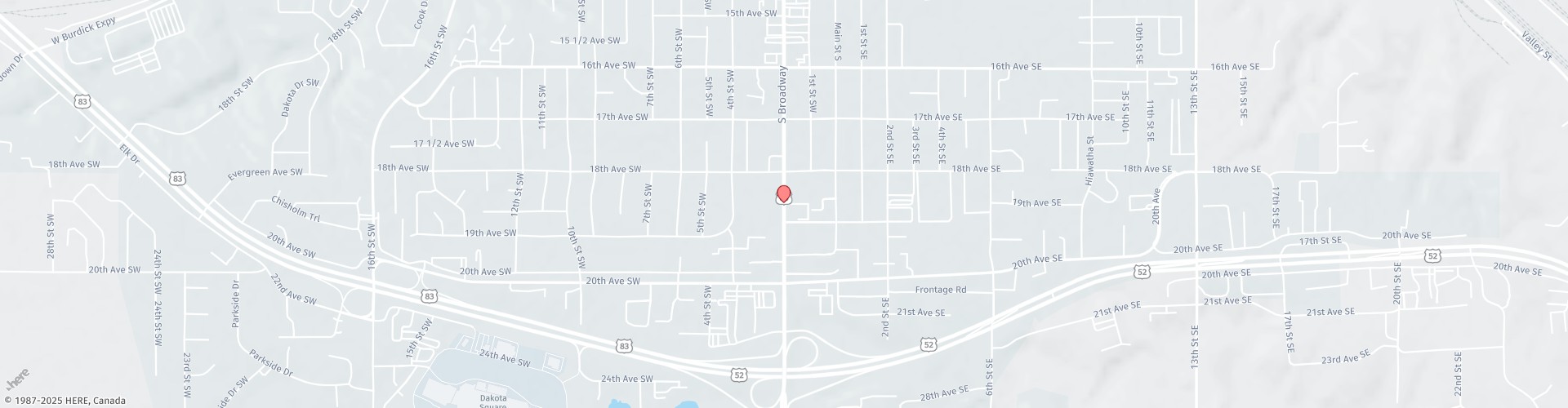
At Broadway Family Dentistry in Minot, ND, our team provides nonsurgical periodontal care based on each patient’s individual oral health needs. One additional therapy that may be incorporated into periodontal treatment for appropriate patients is periodontal desiccation therapy.
What Is Periodontal Desiccation Therapy?
Periodontal desiccation therapy is an adjunctive gum disease treatment that uses a specially formulated desiccating, or drying, agent to help disrupt bacterial biofilm and affected tissue within periodontal pockets.
This therapy is designed to complement—not replace—established periodontal treatments such as scaling and root planing.
Whether periodontal desiccation therapy is appropriate for you depends on the health of your gums and the severity of your periodontal disease. A dental professional can evaluate your periodontal health and recommend an appropriate treatment plan.
How Does Periodontal Desiccation Therapy Work?
As periodontal disease progresses, spaces known as periodontal pockets can develop between the teeth and gums. Bacterial biofilm can accumulate within these pockets, where it may be difficult to address with regular brushing and flossing alone.
During periodontal desiccation therapy, a specially formulated gel is applied in and around the affected periodontal pocket. The desiccating agent is used to help disrupt bacterial biofilm and affected tissue in the treatment area.
The gel is then removed, and the area is thoroughly rinsed.
What Should I Expect During Periodontal Desiccation Therapy?
Periodontal desiccation therapy is performed in the dental office and can be incorporated into a patient’s periodontal treatment plan when appropriate.
During treatment:
- The treatment area is dried and isolated.
- The desiccating gel is applied in and around the periodontal pocket.
- The gel remains in place for approximately 30 seconds.
- The gel is suctioned away, and the treatment area is rinsed thoroughly with water.
You may notice a sour taste while the gel is being used. The area can be rinsed until the taste disappears.
Gum tissue that comes into contact with the gel may also temporarily appear white. The tissue typically returns to its normal color within approximately 24 hours.
In areas with significant infection, some tissue sloughing may occur. Your dental provider will explain what you can expect following your individual treatment and when you should contact the office if you have concerns.
Is There Any Downtime After Periodontal Desiccation Therapy?
There are generally no special dietary or oral hygiene restrictions following periodontal desiccation therapy.
Patients can typically return to their normal diet and routine oral hygiene care immediately following treatment. Your Broadway Family Dentistry provider will let you know if your individual periodontal condition requires additional instructions.
Does Periodontal Desiccation Therapy Replace Scaling and Root Planing?
No. Periodontal desiccation therapy is an adjunctive treatment, meaning it is intended to work alongside conventional periodontal care rather than replace it.
Scaling and root planing may be recommended to remove plaque, calculus, bacteria, and debris from below the gumline. Periodontal desiccation therapy may then be incorporated into the treatment plan when your dental provider determines it is appropriate.
Who May Be a Candidate for Periodontal Desiccation Therapy?
Periodontal treatment isn’t one-size-fits-all.
Your dental provider may consider several factors when determining whether periodontal desiccation therapy is appropriate, including:
- The health of your gums
- The condition of your periodontal pockets
- The severity of your periodontal disease
- How your gums respond to conventional periodontal treatment
The best way to determine which treatment is right for you is to have your periodontal health evaluated by a dental professional.
Frequently Asked Questions About Periodontal Desiccation Therapy
What is periodontal desiccation therapy used for?
Periodontal desiccation therapy is an adjunctive treatment that uses a desiccating agent to help disrupt bacterial biofilm and affected tissue within periodontal pockets.
Is periodontal desiccation therapy the same as a deep cleaning?
No. Periodontal desiccation therapy and scaling and root planing serve different purposes. Desiccation therapy is intended to complement conventional periodontal treatment rather than replace scaling and root planing when it is needed.
What happens to my gums after periodontal desiccation therapy?
Tissue that comes into contact with the treatment gel may temporarily appear white and typically returns to its normal color within approximately 24 hours. Some tissue sloughing may occur in areas with significant infection.
Can I eat after periodontal desiccation therapy?
There are generally no special dietary restrictions following the treatment, so patients can typically return to their normal diet and oral hygiene routine immediately afterward. Follow any individual instructions provided by your dental team.
How do I know if periodontal desiccation therapy is right for me?
Your dentist or dental provider will need to evaluate your gums and periodontal health to determine whether periodontal desiccation therapy is appropriate for your individual needs.
Learn More About Gum Disease Treatment in Minot, ND
Periodontal disease can affect patients differently, so an individualized approach to treatment is important.
If you’ve been diagnosed with gum disease, have noticed changes in your gum health, or want to know whether periodontal desiccation therapy could be incorporated into your treatment plan, Broadway Family Dentistry in Minot, ND can evaluate your periodontal health and discuss your options.
Call Broadway Family Dentistry at 701-839-1299 to schedule an appointment and learn more about your periodontal treatment options.
This article is intended for general educational purposes only and is not a substitute for individualized dental or medical advice. Your dental provider can recommend treatment based on your oral health and medical history.